Introduction
Ventilator support plays a vital role in modern medication, specifically in the intensive treatment setup. For brand-new registered nurses entering this complicated globe, recognizing the intricacies of ventilator support is crucial. This write-up, titled "What is Ventilator Assistance? Demystifying the Fundamentals for New Nurses," aims to provide a thorough review of ventilator support, from the standard concepts to sophisticated management methods. We will check out different elements of ventilation training programs and delve into functional applications that every nurse must know.
What is Ventilator Support? Debunking the Basics for New Nurses
Ventilator support refers to the use of mechanical gadgets to aid or change spontaneous breathing in people who can not take a breath appropriately by themselves. This can take place as a result of various clinical conditions such as respiratory failure, persistent obstructive lung illness (COPD), or severe pneumonia.
Understanding Mechanical Ventilation
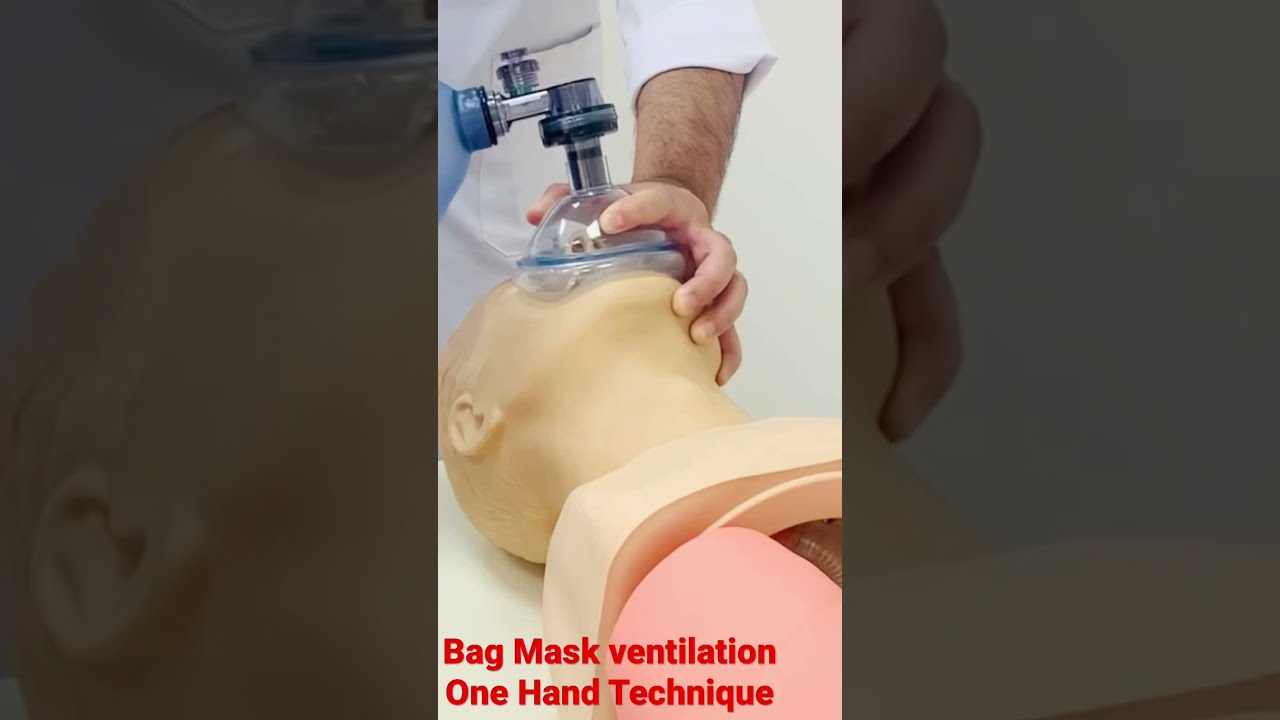
Mechanical ventilation can be categorized into 2 primary classifications: intrusive and non-invasive techniques. Invasive air flow involves ventilator training for nurses the insertion of an endotracheal tube or tracheostomy tube, whereas non-invasive ventilation uses masks or nasal tools to deliver air.
Invasive vs Non-Invasive Ventilation
- Invasive Ventilation:
- Requires intubation. More effective for serious respiratory distress. Higher risk of issues such as infections and trauma.
- Often used for less extreme cases. Lower risk of complications. Can be uncomfortable for patients.
Key Elements of Ventilator Support
A ventilator runs through several vital components:

Modes of Ventilation: Different settings like Assist-Control (AC), Synchronized Intermittent Obligatory Ventilation (SIMV), and Stress Support (PS) cater to various person needs.
Settings: Settings such as tidal volume, breathing rate, and FiO2 are adjusted based upon private patient requirements.
Monitoring: Constant tracking of crucial signs and blood gases is important for reliable management.
The Significance of Basic Ventilator Training Course for New Nurses
For registered nurses brand-new to vital treatment atmospheres, enlisting in a fundamental ventilator course can give essential expertise and skills essential for managing people on ventilators.
Course Material Overview
Basic ventilator training courses generally cover:
- Introduction to mechanical ventilation principles Understanding different modes of ventilation Hands-on training with ventilators Patient analysis techniques
Benefits of Taking a Standard Ventilator Course
Enhanced Knowledge: Comprehending exactly how ventilators function helps in making notified decisions regarding patient care.
Improved Confidence: Acquiring practical experience enhances confidence when dealing with complex situations.
Better Person Outcomes: Knowledgeable registered nurses add significantly to boosted client end results with timely interventions.
Ventilation Training Programs Available
Various establishments supply specialized training programs customized for healthcare professionals concentrating on airway management and ventilation techniques.
Types certainly Offered
Hands-On Workshops: Interactive sessions that allow individuals to practice making use of devices under supervision.
Online Modules: Flexible understanding alternatives available that cover theory and study related to mechanical ventilation.
Advanced Courses: For those aiming to specialize additionally in areas such as tracheostomy treatment and progressed airway monitoring techniques.
Choosing the Right Course
When selecting a training course, consider variables like period, material deepness, certification, and instructor expertise.
Ventilator Training for Nurses: Necessary Abilities Acquired
Participating in ventilator training outfits registered nurses with important abilities needed for effective respiratory tract monitoring and patient safety.
Core Skills Developed Through Training
Patient Assessment Techniques:- Recognizing indications of breathing distress. Analyzing arterial blood gas results effectively.
- Learning exactly how to run numerous kinds of ventilators adeptly. Understanding alarm systems and repairing common issues.
- Effectively interacting with staff member pertaining to patient status. Educating families about ventilator assistance decisions.
Airway Monitoring and Air flow Techniques
Effective respiratory tract administration is critical when taking care of people calling for ventilatory support.
Techniques Used in Airway Management
Endotracheal Intubation:- Procedure includes protecting an air passage by positioning a tube through the mouth into the trachea.
- Involves producing an opening directly into the trachea for long-term ventilation needs.
Table 1: Contrast Between Intubation and Tracheostomy
|Function|Endotracheal Intubation|Tracheostomy|| -----------------------|-------------------------|------------------------|| Period|Short-term|Long-term|| Treatment Time|Quick|Surgery|| Comfort Degree|Much less comfortable|More comfortable|
Understanding Airway and Air flow Administration Principles
Effective airway monitoring entails comprehending both physiological factors to consider and physiological implications related to mechanical ventilation.
Anatomical Considerations
Understanding physiological structures help registered nurses in airway and ventilation making educated choices:
- Oral cavity Pharynx Larynx Trachea
The Physical Effects of Mechanical Ventilation
Mechanical air flow modifies normal breathing patterns; hence understanding these modifications is crucial:
Increased intrathoracic stress may affect cardiac output. Changes in lung auto mechanics can lead to possible complications like barotrauma or volutrauma if not taken care of properly.Ndis Ventilation Training Course
The NDIS (National Impairment Insurance System) offers specialized training courses concentrating on individuals needing support with intricate health needs consisting of air flow support.
Course Overview
The NDIS training courses incorporate training made particularly for caretakers handling individuals with impairments who require recurring ventilatory support:
Comprehensive education and learning regarding different types of breathing assistance. Safety methods specific to home treatment environments.Key Features
- Accessibility tailored in the direction of family members sustaining individuals at home. Emphasis on useful skills along with theoretical understanding guarantees competency in real-life situations.
Ventilator Pressure Support: A Vital Mode
One prominent setting used throughout mechanical ventilation is Pressure Support (PS). It permits patients extra control over their breathing while still receiving needed support from the machine.
How Stress Support Works
In Stress Support setting, the ventilator supplies a predetermined quantity of pressure throughout inhalation while enabling people to initiate breaths automatically:
Reduces work-of-breathing contrasted to controlled modes. Ideal for discouraging patients off mechanical aid gradually.Advantages & & Disadvantages
|Benefits|Negative aspects|| --------------------------------------|-------------------------------------|| Boosted comfort due to spontaneity|Threat of hypoventilation if badly monitored|
FAQs Concerning Ventilator Support
1. What prevail indications for launching ventilator support?
Ventilator assistance might be indicated in instances such as severe respiratory distress disorder (ARDS), COPD worsening, or post-operative healing where spontaneous breathing is insufficient.
2 What training do nurses need before operating a ventilator?
Nurses must complete formal training such as basic ventilator programs that include both concept regarding mechanical principles along with hands-on practice.
3 Just how do you determine proper settings on a ventilator?
Settings need to be embellished based on patient assessment information including tidal volume computations originated from excellent body weight together with clinician judgment based upon arterial blood gas results.
4 What's the distinction between intrusive and non-invasive ventilation?
While invasive needs intubation (putting tubes inside airways), non-invasive utilizes masks or nasal tools without getting in airways directly.
5 What function does family education and learning play when managing clients on vents?
Educating family members allows them far better participation during treatment procedures making sure psychological assistance while improving understanding concerning decision-making surrounding treatment plans.

6 Exist risks connected with long term mechanical ventilation?
Yes! Long term use might lead danger factors consisting of infections (ventilator-associated pneumonia), muscular tissue weak point from disuse along other complications necessitating vigilant surveillance by nursing staff.
Conclusion
In verdict, "What is Ventilator Support? Debunking the Fundamentals for New Nurses" acts as a vital guidebook created especially focused on giving fundamental understanding surrounding mechanical ventilation techniques within essential treatment settings today's health care landscape consistently evolves it's vital our nursing labor force stays equipped well-trained capable browsing intricacies involved caring critically ill populations successfully properly! With continued learning through training courses offered one can improve their skillset ultimately contributing positively outcomes experienced by those they serve!